Caring for the Skin You’re In: Staying Sun Safe

Massage therapists see a lot of skin. All colors, all textures. Freckles, scars, stretch marks, moles. Skin with lots of hair and skin with none. Skin doesn’t surprise us.

Except when it does. That brown spot on your shoulder blade? It wasn’t quite that big when you came in a month ago. And it looks less like an oval and a little more like a blob. Maybe you should have that checked out?

Skin we love. Skin cancer? Not so much. Which is why you’re here on your massage therapist’s website, reading about sun exposure. Because even though I’m not a dermatologist and you’re not going to burn while getting a massage, your skin is a friend I see regularly. And I want to be able to keep working with it for many healthy years to come.

What happens when you get a sunburn?

You’re exposed to the sun and then your skin turns red and itchy, right? Well, yes. But there’s more to it as well.

When you step out into the sunlight, you’re immediately bombarded by UV radiation. This radiation causes mismatches in the curlicue of your DNA in the nucleus of your skin cells, which is dangerous and can lead to cancer. As soon as this starts to occur, your skin jumps into protective action redistributing melanin, the pigment that causes suntans, and which helps to protect your DNA from further damage.

But if you’re still outside and the damage doesn’t stop (especially if you’re fair skinned and don’t have much melanin to go around), you start to see an inflammatory response. This is the same kind of inflammation that you see when you sprain your ankle, only spread out across your damaged skin. Your blood vessels dilate to get more nutrients and infection-fighting cells to your skin, making it red and warm to the touch. Itching and pain result, a warning signal from your body that something is wrong. You may feel thirsty and tired as your body works to repair itself.

If the burn is bad enough, you’ll start to see blisters as the plasma leaks from inside cells into the space between the dermis (the bottom layer of skin) and the epidermis (the top layer). These blisters form a cushion of fluid over your damaged tissue. (At this point, your body has already written that top layer of skin off.)

Eventually, even if you didn’t have any blisters, you will get flaking and peeling of the top layer of your skin. Interestingly enough, these skin cells weren’t killed by UV radiation. When skin cells recognize that their DNA has been severely damaged, they deliberately die off rather than risk becoming cancerous. This planned cell death is called apoptosis, and it’s the reason you see massive numbers of skin cells coming loose at once.

So to be clear: all sunburns, no matter how mild, contain the beginning stages of skin cancer. It’s only because our skin kills itself off before these cells go haywire that we see as little skin cancer as we do. Even so, more than 5.4 million cases of non-melanoma skin cancer are diagnosed in the US each year, and 1 in 5 Americans will be diagnosed with skin cancer before the age of 70. UV radiation will play a role in many of these cases.

How can you protect your skin?

The short answer: Stay away from UV radiation. This means tanning beds as well as sunlight.

The longer answer: Unless you plan to become a vampire, you will probably be exposed to sunlight at least some of the time. The trick is to reduce that exposure to a safe level by seeking shade, wearing protective clothing, and using sunscreen.

How much sun is safe?

This depends on two main variables: the UV Index and your skin type.

UV Index

The UV Index is a measure of the level of UV radiation in your location at any given point in time. It’s something you can easily look up on your computer or phone before heading out the door. In general, global UV Index recommendations look something like this:

  • 1-2: Low: Enjoy being outside!
  • 3-7: Medium: Seek shade at midday, put on a shirt and hat, wear sunscreen.
  • 8+: High: Stay indoors at midday, seek shade as much as possible, sunscreen is an absolute must.

Skin type

With the exception of people with albinism, everyone has some melanin in their skin. Those with more of the protective pigmentation are less susceptible to DNA damage in their skin cells from UV radiation than those with less.

  • Type I: Very pale, burns quickly, never tans.
  • Type II: Pale, burns easily, rarely tans
  • Type III: Burns moderately, tans over time to light brown
  • Type IV: Burns minimally, tans to medium brown
  • Type V: Rarely burns, tans to dark brown.
  • Type VI: Never burns, rarely tans, deeply pigmented skin.

People with Type I skin can burn after as little as five or ten minutes, while those with Type VI skin can sometimes be outside for an hour without damage.

Note: You might have seen a skin type scale that goes from I-IV, especially if you are looking in an older medical textbook. That’s because the original Fitzpatrick scale was made in the 1970s for white people. This is the same scale, but expanded to include everybody.

Is sunscreen safe?

A 2001 study raised concerns that oxybenzone (the chemical that makes most sunscreens so effective) might impact hormones. In this study, rats fed large doses of oxybenzone developed enlarged uteruses. Studies in humans haven’t been conclusive. What we know for sure is that, if you’re a rat, you shouldn’t drink sunscreen.

Some pediatricians recommend sticking to mineral-based sunscreens for infants and very young children just in case, until long-term studies are concluded over the next twenty or so years. But these are thick and need to be reapplied regularly. If your children are experiencing sunburns with mineral-based sunscreens, they are being put in significantly more danger than any potential hazard from oxybenzone.

What about vitamin D?

Yup, you need vitamin D in your body to stay health. And yes, your skin manufactures vitamin D in response to UV radiation. (People with lighter skin types make more vitamin D with less sun exposure than people with darker skin types.) So shouldn’t you go without sun protection sometimes for the nutritional benefits?

Luckily, there are a number of sources of vitamin D that don’t also cause skin cancer. Fish, mushrooms, eggs, and fortified dairy products are all excellent sources. And if you’re a tremendously picky eater, there are also vitamin D supplements you can take. For the severely deficient (diagnosed with a simple blood test), there are high-dose supplements or injections your physician can prescribe.

Caring about your skin isn’t about vanity.

It’s a critical organ, like any other. If you exercise for your heart and quit smoking for your lungs,  then preventing sunburns is just another healthy habit.

Massage therapists love skin. We work with it on a daily basis and appreciate all it does to keep your insides in and your outsides out. It keeps you cool, it tells you what’s around you, it prevents infections and repairs itself at a remarkable rate. So take care of it!

And maybe bring it in for a massage.
Self-Care Solutions for Office Workers

If you’re an office worker or someone else with a job that requires lots of sitting or driving, I’m sure you have already heard about some of the problems of prolonged sitting, including an increased risk high blood pressure, cholesterol, cardiovascular disease, diabetes, and some cancers.

Besides that, sitting too much almost always causes back, shoulder, or neck pain.

It can also decrease brain function.

But there are tons of things you can do to help mitigate these risks and make you feel better and be more productive.

Stretches

When you sit at a desk for long periods of time, some muscles are contracted for too long, causing postural imbalances and pain.

Stretching these muscles, particularly those in the front of your body (chest, neck, abs, quadriceps) throughout the day is essential to preventing muscle pain when you are sitting at a desk for long periods at a time.

Stretch every 20 minutes if you can. At the very least, do a series of stretches once a day to start and work your way up to stretching more often.

There are lots of resources online with recommended stretches for sitting, office work, and head-forward posture. This video is a good one to start with. I will probably add more to this post later as I find more that I like.

If any of the stretches are painful, cause dizziness, or feel like a nerve may be pinched, don’t do them. Look for alternative stretches or talk with a healthcare provider.

Restorative Yoga

I love restorative because I am pretty lazy and it requires almost zero effort.

The supported backbend pose has been my favorite for 15+ years because it works really well to open up the chest and reverse some of the damage of sitting or slouching throughout the day. It also helps to calm the body and mind, so it works great added to your bedtime routine.

Yoga for Healthy Aging has information on how to do this pose.

Stand and Move

If possible stand up at your desk throughout the day. Or if possible, get a standing desk.

Besides that, adding exercise to your day is even more important when you sit all day (which I’m sure you already know).

But you don’t need to do tons of exercise to become a little healthier. Just a 20-minute walk a day can dramatically lower risk for disease, reduce pain levels, and improve sleep.

If you want to move from a sedentary lifestyle to regular exercise, this easy to follow exercise plan from the UK’s National Health Service is a good place to start. It is intended for people who haven’t exercised in a long time and requires no equipment.

Self-Massage

If you’ve been working at a desk job for very long, you probably already have trigger points (knots) in your shoulders, neck, or back. If these don’t cause you pain, then don’t worry about them.

However, if you have muscle pain or stiffness, addressing trigger points can help.

You can follow directions in this trigger point self-care guide to learn the basics of trigger point self-massage.

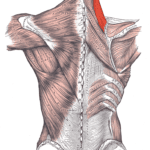
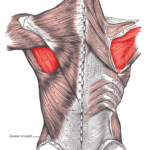
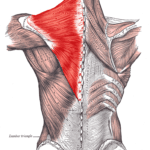
Some of the most common trigger points in office workers are found in the upper trapezius, levator scapulae, and infraspinatus muscles.

I recommend trying out trigger-point self-massage on one of those muscles. If you notice an improvement in your upper body pain and stiffness, doing this regularly is a good idea.

These links provide more detailed information on each muscle and the best ways to massage them:

Trapezius

Levator Scapulae

Infraspinatus


Relax

Working in a high-stress environment or having a busy lifestyle makes many people forget how it feels to be relaxed. Once you’ve reached this point, you probably have chronic muscle tension and pain.

There are many meditations and other exercises that you can use to become more aware of your body and remember what it feels like to be totally relaxed. This will help you recognize unnecessary muscle tension and relax tense muscles quickly.

I recommend progressive muscle relaxation for this. There are tons of free guided progressive muscle relaxation audio files and videos on the internet. Dartmouth has one on this page with several other free mediations you can download.

And of course, I’m going to recommend massage.

One reason, though, is because as I already mentioned, I’m lazy. And I know how hard it is to get into a self-care routine that requires a lot of effort, like mediation.

Massage is something you commit to with an appointment, so there is accountability added in.

Also, it’s something you look forward to going to, and once at the office, you get to do nothing. So, essentially, it’s one wellness habit that most people can stick with long enough to reap long-term benefits.

Baby Steps

No matter what you do, just do something. One five minute habit a day can eventually turn into a 60-minute habit and so on. Baby steps can lead to momentum if you do them day after day. 🙂

Can Massage Help Headaches?

massage in bentonville ar

“This project is such a headache!”

They’re so common that the term has become synonymous with an annoyance, but what are headaches, really? And can massage therapy really help?

Different Types, Different Causes

Headaches are pretty easily defined, and we all know one when we feel it: it’s a pain in the head. But not all headaches are created equal.

Tension headaches are the most common type of headache, with pain occurring on both sides of the head without other symptoms. The pain can range from very mild to severe.

Migraine headaches are often pulsing and can be accompanied by nausea, dizziness, sensitivity to light and sound, and hallucinations. Some people experience migraines only rarely, while other people experience them on an almost daily basis.

Cluster headaches are less common and are generally experienced as severe pain around one eye. “Cluster periods,” during which many headaches occur during a period of time, are interspersed with longer periods without any symptoms.

Secondary headaches are not conditions themselves but are symptoms of other conditions. These conditions can be as every day as a sinus infection or conjunctivitis (pink-eye), or more serious, like traumatic brain injury or meningitis. While the pain from secondary headaches can be managed, it’s important to focus on getting the appropriate medical treatment for the underlying condition.

Headaches and Massage

The good:

Tension headaches, the type of headaches people are most likely to experience, seem to respond well to massage therapy. Not only does massage seem to reduce pain in the moment, but regular massage therapy also appears to increase the amount of time between headaches for those who experience them on a chronic basis. This could be a result of helping to manage stress or underlying mechanical issues that can result in headaches, but there’s no solid science yet on precisely why massage helps, only that it does.

More good news! It probably doesn’t surprise anyone that folks who experience regular headaches are also more likely to experience high levels of stress, depression, and anxiety. Studies have found that massage can help with these issues not just in the general population, but also specifically in people who live with chronic headaches.

Some people with secondary headaches can also benefit from massage. People with fibromyalgia, for example, who often experience headaches as part of their condition, can experience both pain and stress relief with regular massage therapy. While massage during a flare-up of symptoms may need to be modified to be more gentle, some people find that it can provide relief both for headaches as well as for pain throughout the body.

The bad:

Massage therapy is wonderful and often helpful, but it’s not a cure for headaches. While some people just need a bit of rest or a drink of water (dehydration is a surprisingly common headache cause), other people continue to experience headaches all their lives. While people who experience headaches caused by stress or muscular tension can absolutely benefit from massage, migraines triggered by things like foods or hormonal changes probably won’t see an impact.

The ugly:

There are some times when getting a massage for headaches isn’t just unhelpful, it’s actually dangerous. Most often, this is related to secondary headaches. Fevers, as an example, often cause headaches as well as achy joints that could lead someone to want to receive massage, but this not only risks overly stressing a body that’s already fighting off an infection, it also has the possibility of spreading the illness to the massage therapist and anyone else they come into contact with. Headaches resulting from a recent head, neck, or back injury could also be made worse by a well-meaning massage therapist.

When there is the possibility of pain being caused by an illness or injury, it’s always best to seek out a physician’s opinion first. They can provide or recommend appropriate care for the issue causing the headache in the first place, and at that point you can ask them about whether it would be a good idea to receive a massage. Safe is always better than sorry!

Headache Solutions

Headaches can be a real, well, headache. But there’s help.

Sometimes a little change of environment is all that’s needed. If you have a headache and have been hunched over a computer for hours, try a stretch. A quick walk outside or a brief nap can help with a headache caused by eye strain. If you haven’t eaten or drunk anything all day, do that. It’s easy to get caught up in the business of our lives and forget to take care of our own basic needs.

For those who can take them, over the counter painkillers like ibuprofen or aspirin can be helpful in treating a headache. Sometimes caffeine is recommended as well. For stronger headaches, medications prescribed by a physician can be a lifesaver to many people, enabling them to function at work and with their families when they might otherwise have been left incapacitated.

And then there’s massage therapy, of course. It’s not a magical cure-all, but for many people, it really does help manage the pain and stress of headaches. Are you one of them? Schedule your next massage, and let’s find out together.